HAL Soars: Huge Deals Pave Way for India’s Fighter Jet Future
The Live Info Media
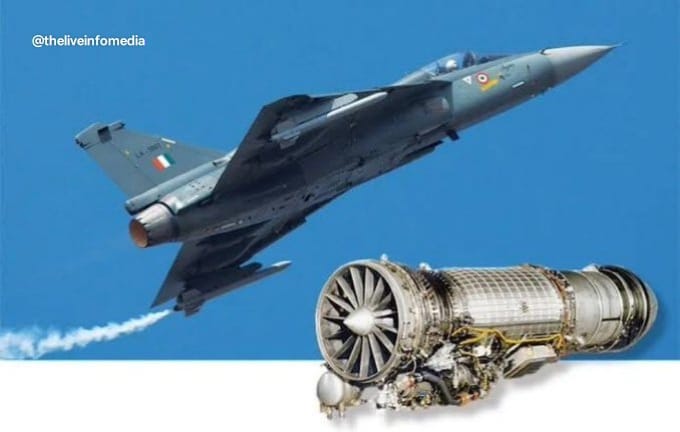
Hindustan Aeronautics Limited signed an agreement with General Electric on November 7, 2025, for the supply of 113 F404-GE-IN20 engines valued at over $1 billion to power 97 Light Combat Aircraft Mk1A jets. Deliveries are scheduled to begin in 2027 and conclude by 2032, including spares for operational readiness, following the Indian government’s contract for these aircraft in September 2025. The deal supports India’s Tejas program expansion and bolsters U.S.-India defense cooperation amid efforts to modernize the Indian Air Force fleet.
Hindustan Aeronautics Limited (HAL) is embarking on an exciting new era, securing two massive deals that promise to transform India’s aerospace manufacturing capabilities. These agreements, one with the USA’s General Electric (GE) and another securing a major domestic order for the Tejas jet, are key steps in India’s journey toward self-reliance in defense technology, often called ‘Atmanirbhar Bharat.’
The $1 Billion Engine Deal with General Electric
A significant partnership is brewing between the Indian government and General Electric (GE) for the supply of 113 fighter jet engines, a deal valued at approximately $1 billion. This isn’t just a simple purchase; it’s a strategic collaboration where HAL is set to play a crucial role. The deal is expected to be finalized swiftly, highlighting its importance for both nations.
Impact on HAL: New Tech and Bigger Revenue
For HAL, this partnership with GE is a game-changer. It means they will be at the forefront of the collaboration, gaining access to advanced technological capabilities in fighter jet engine production. This is expected to enhance HAL’s expertise, potentially increase its revenue, and significantly strengthen its standing in the competitive global aerospace and defense industry. Essentially, it helps HAL build better, more advanced engines right here in India.
Boosting Domestic Production: The ₹66,000 Crore Tejas Order
The second major development is a monumental domestic order for 97 more Tejas fighter jets, a contract worth about ₹66,000.00 crore. Defence Minister Rajnath Singh announced this major vote of confidence in India’s own manufacturing ability.
HAL’s Order Book Gets a Massive Boost
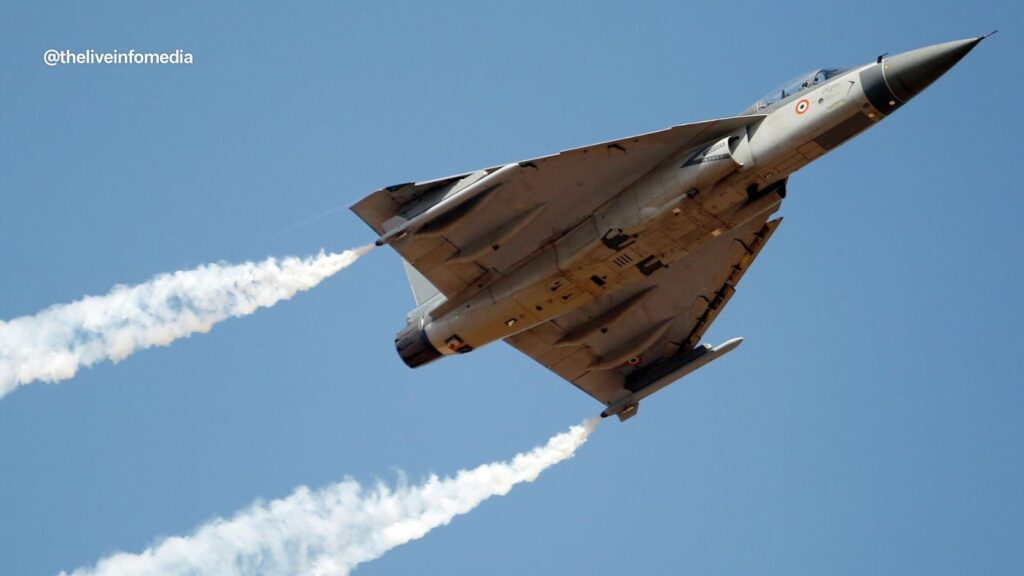
This new order for 97 Tejas jets adds to a previous contract for 83 aircraft. This dramatic expansion of HAL’s order book solidifies its role as the backbone of India’s defense manufacturing. It showcases the government’s increasing confidence in indigenous aircraft and provides a stable foundation for HAL’s continued growth. This large-scale order confirms the Tejas as a central pillar of the Indian Air Force.

Aiming for the Future: Fifth-Generation Engine Collaboration with Safran
Beyond today’s deals, India is looking far ahead—specifically, at fifth-generation fighter jets. These are the most advanced aircraft in the world. To achieve this, Defence Minister Singh also announced a critical partnership with the French aerospace giant, Safran.
🇫🇷 Building Next-Gen Engines at Home
Safran, which already makes engines for advanced planes like the Rafale, will collaborate to manufacture engines for these cutting-edge fifth-generation fighter jets right in India. This is a challenging but necessary step to join the elite group of nations capable of producing the most sophisticated fighter engine technology. This move is key to India’s ultimate goal of developing its own completely indigenous fifth-generation fighter aircraft.
Dual Strategy: Modernizing and Future-Proofing
These two major developments illustrate a smart, dual-pronged strategy for India’s defense sector. On one hand, the huge Tejas order modernizes the existing fleet using proven, home-grown technology. On the other, the partnerships with GE and Safran are a vital investment in next-generation technology, ensuring India’s long-term security and technological advancement.
Paving the Way for Global Strength
In conclusion, these deals with GE and Safran, combined with the massive Tejas order, are much more than just financial transactions. They mark significant milestones in India’s journey towards self-reliance in defense manufacturing. They will not only boost the domestic aerospace industry but also position India to potentially become a major exporter of advanced defense technology in the years to come. HAL is truly taking flight.