Indian DGMO Claims Over 100 Pakistani Casualties in ‘Operation Sindoor’
The Live Info Media
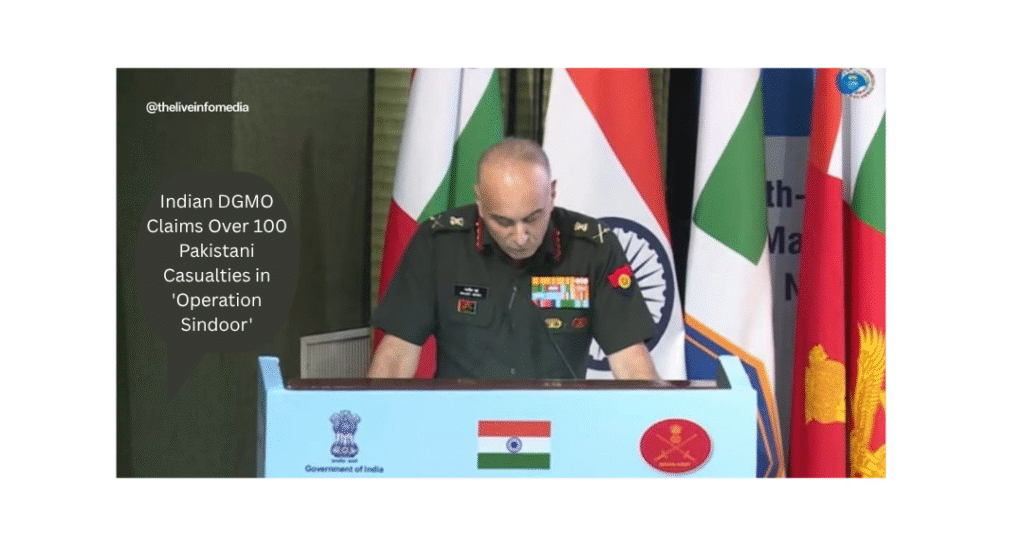
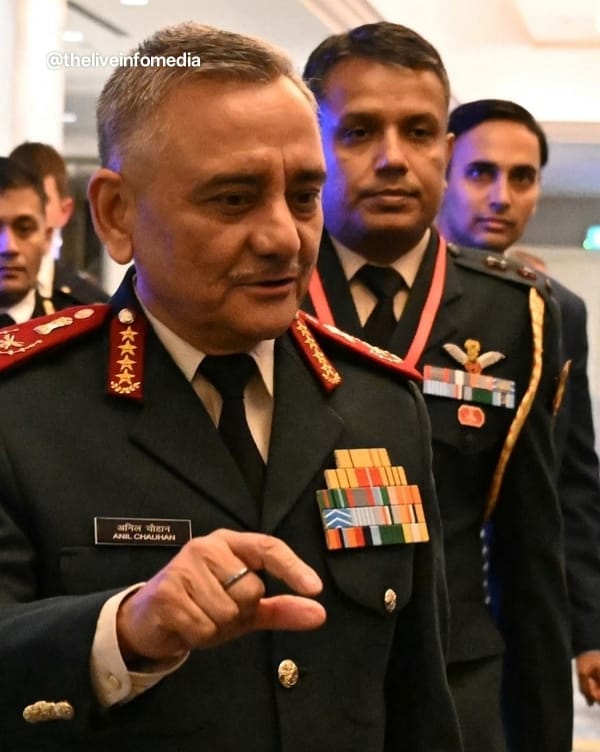
Lt. Gen. Rajiv Ghai, the Director General of Military Operations (DGMO), has asserted that Pakistan suffered more than 100 casualties along the Line of Control (LoC) during India’s retaliatory ‘Operation Sindoor.’ The operation was launched following a terror attack in Pahalgam on April 22 that claimed 26 lives. Speaking at the Army Chiefs of UN Troops Contributing Nations conference in New Delhi, Lt. Gen. Ghai provided a detailed account of the targeted military response, stating that India successfully achieved its political and military objectives.
Posthumous Awards as Evidence of High Losses
The DGMO cited Pakistan’s own posthumous gallantry awards as the primary indicator of the high number of losses. He suggested that the list of awards released on August 14, Pakistan’s independence day, unintentionally revealed the scale of their casualties on the LoC to be “in excess of 100.” Ghai framed this as evidence of the effectiveness of the Indian military’s actions. He also implied that the Pakistan Army Chief, without naming him directly, was under duress and attempted to revive his and the army’s image through “cowardly” actions, which ultimately led to their high losses.
A Fusion of Military and Diplomatic Strategy
Lt. Gen. Ghai characterized ‘Operation Sindoor’ as a “fusion of military precision and diplomatic agility,” alongside “informational superiority and economic leverage.” He pointed to the strategic move of putting the Indus Water Treaty of 1960 into abeyance immediately after the Pahalgam terror attack as an example of this comprehensive approach. This blend of hard and soft power, he argued, was crucial to the operation’s success.
Measured, Multi-Agency Response
The DGMO outlined a measured but decisive military response that began unfolding between the April 22 attack and the night of May 6-7. The operation involved extensive coordination across the Army, Air Force, Navy, and multiple government agencies. Key steps included prioritizing targets, making precautionary deployments, and ensuring the enemy was deterred. The targets for the retaliatory strikes were selected after an “exhaustive assessment” and were executed in tandem with a “proactive information warfare campaign.”
Striking the Second Layer
According to Ghai, the Indian military had anticipated Pakistan’s possible reactions and had “war-gamed four to five moves in advance.” This foresight allowed them to strike the enemy on the “second layer”—a move along the LoC that Pakistan did not anticipate, which he believes contributed to the “heavy casualties.” The DGMO revealed that the pre-dawn strikes on May 7 successfully eliminated over 100 terrorists.