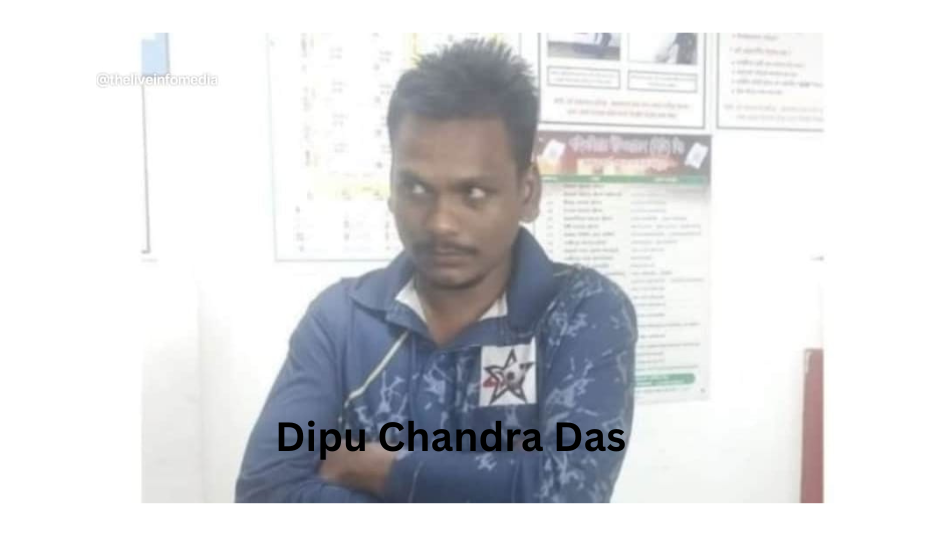
The Incident: The Killing of Dipu Chandra Das
The Live Info Media
On December 19, 2025, a 27-year-old Hindu garment worker named Dipu Chandra Das was murdered in Bangladesh.
- The Reason: Das reportedly mentioned during a workplace discussion that all religions contain “superstitions.”
- The Attack: He was accused of blasphemy, dragged from his workplace by a mob, beaten to death, and his body was set on fire.
- The Atmosphere: This occurred in the high-tension environment following the 2024 fall of the Sheikh Hasina government, where radical groups have gained more influence.
Controversy Over Media Coverage
A major point of criticism has emerged regarding how the New York Times (NYT) and other Western media outlets covered the story. Critics argue that the reporting used “selective vocabulary” to downplay the nature of the crime.
1. Language Bias (Double Standards)
Critics point out a stark difference in how perpetrators are described based on their religion:
- In Bangladesh: The mob that killed Das was described as “co-workers” or an “angry mob.” The religious ideology (Islamism) was rarely named as the primary cause.
- In India: When violence occurs against Muslims, the media frequently uses the term “Hindu vigilantes,” explicitly linking the religion to the violence.
2. “Moral Laundering” through What-aboutism
The NYT article reportedly pivoted quickly from Das’s murder to discuss “regional intolerance” in South Asia.
- The Criticism: By bringing up violence in India within a story about a murder in Bangladesh, critics say the media is trying to create a “false equivalence.” * The Goal: Critics argue this “washes away” the specific horror of Das’s death by suggesting that “everyone in the region is equally violent,” rather than addressing the specific rise of blasphemy-related killings in Bangladesh.
3. The Mainstreaming of Extremism
A disturbing detail noted in the reports was the public reaction to the murder:
- Public Celebration: A prospective parliamentary candidate, Jubayer Ahmad Tasrif, publicly celebrated the murder on social media, stating it “brought joy to hearts.”
- Lack of Analysis: Critics argue that if a Hindu politician in India celebrated a similar killing, it would be a global scandal. In this case, the celebration by a Bangladeshi politician was mentioned but not treated as a major systemic issue.
Key Comparison: Justice Systems
The discussion also highlights a difference in how these crimes are handled by the law:
- The Ram Gopal Mishra Case: Recently in India, a court sentenced a man to death and nine others to life imprisonment for the religiously motivated murder of a Hindu man (Mishra).
- The Argument: While violence happens in both countries, critics suggest that the legal systems and media narratives treat them differently. They argue that media often ignores when justice is served in India, while failing to demand the same accountability for Islamist violence in Bangladesh.
Summary of the Critique
The core argument is that Western journalism is failing in its duty to be objective. By refusing to name “Islamism” as a motivating factor in blasphemy killings, while being quick to label “Hindu nationalism,” they create a lopsided and inaccurate view of the reality on the ground for minorities in South Asia.